Chat with us
FREE Leafbud Umbrella on Prepaid Orders Above INR 4,500/-
FREE Leafbud Umbrella on Prepaid Orders Above INR 4,500/-
FREE Leafbud Umbrella on Prepaid Orders Above INR 4,500/-
FREE Leafbud Umbrella on Prepaid Orders Above INR 4,500/-
FREE Leafbud Umbrella on Prepaid Orders Above INR 4,500/-
FREE Leafbud Umbrella on Prepaid Orders Above INR 4,500/-
FREE Leafbud Umbrella on Prepaid Orders Above INR 4,500/-
FREE Leafbud Umbrella on Prepaid Orders Above INR 4,500/-



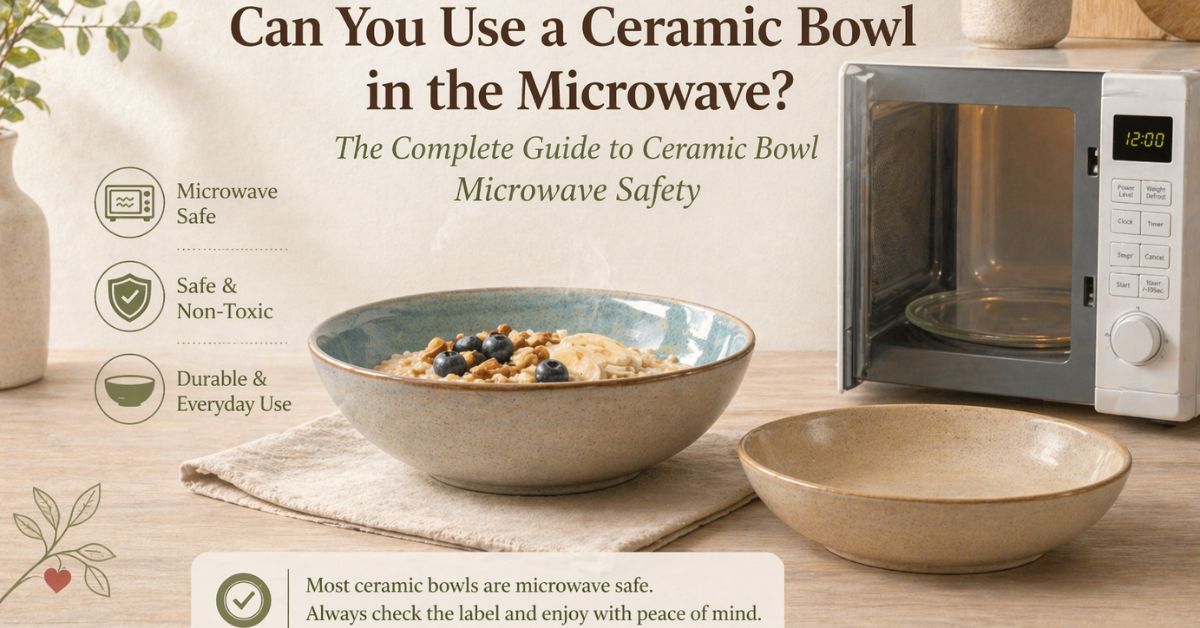
Can You Use a Ceramic Bowl in the Microwave? The Complete Guide to Ceramic Bowl Microwave Safety

You grab a ceramic bowl, load it with leftover soup, and pause with your hand hovering over the microwave door. Is this safe? Will it crack? Could it leach something into your food?
These are fair questions. The answer is not a flat yes or no it depends on the bowl. Most ceramic bowls are perfectly fine in the microwave, but a few details matter a lot. Let’s break it all down so you can stop second-guessing and start heating your food with confidence.
What Makes a Ceramic Bowl Microwave Safe?
Not every piece of clay that gets fired in a kiln behaves the same way in a microwave. Two things determine whether your bowl is safe: the material’s dielectric properties and the quality of the glaze.
Here’s why that matters. Microwave ovens work by emitting radio waves that excite water molecules in your food. A safe ceramic bowl lets those waves pass straight through to the food without absorbing them. When a bowl absorbs microwave energy instead of the food, the bowl heats up faster than what’s inside it which is how you end up burning your hands on an empty-seeming dish.
High-quality ceramics are made from dense clays like kaolin and fired at temperatures above 1,200°C. This firing process creates a vitrified, glass-like structure with very low water absorption typically under 0.5%. A low absorption rate means the bowl won’t trap moisture from dishwashing, which would otherwise turn to steam inside the bowl and crack it when heated.
The glaze matters just as much. Modern, reputable ceramics use lead-free and cadmium-free glazes that are chemically stable once fired. These glazes won’t react with your food, even when heated. Older ceramics, imported pieces without certification, or handmade pottery from unknown sources are a different story their glazes may contain heavy metals that can leach into food, especially acidic dishes like tomato soup.
How to Tell If Your Ceramic Bowl Is Microwave Safe
Step 1: Check the bottom of the bowl. Flip it over. Most modern ceramic bowls have a label or stamped marking that says “microwave safe” or shows a microwave symbol (usually three wavy lines). If that label is there, you’re good to go.
Step 2: Look for metal. Any gold or silver trim, metallic paint, or decorative metal inlays make a ceramic bowl unsafe for the microwave. Metal causes arcing electric sparks that can damage your appliance and potentially start a fire.
Step 3: Inspect the glaze. Run your fingers over the surface. Hairline cracks, chips, or crazing (a web of fine surface cracks) are signs that the glaze has been compromised. A damaged glaze means uneven heating and potential bacterial buildup in the cracks over time.
Step 4: Do the warmth test. When in doubt, place the empty bowl in the microwave alongside a glass of water. Run it on high for 60 seconds. Take both out carefully. If the bowl is very hot but the water isn’t warm, the bowl is absorbing microwave energy it is not safe for microwave use. If the bowl is barely warm and the water is hot, you’re fine.

When Ceramic Bowls Are NOT Safe for the Microwave
Here is a quick list of situations where you should skip the microwave:
- Decorative or antique ceramics. These were not made with food use in mind and often contain lead in the glaze, especially pieces made before the 1970s.
- Handcrafted bowls without certification. Beautiful, yes. But unless the maker has confirmed lead-free glazes and proper firing temperatures, the safety is unknown. This is especially true for brightly colored pottery in shades of red, yellow, or orange, which historically required lead-based pigments.
- Bowls with metallic decoration. No exceptions here gold rims, silver details, metallic patterns all need to stay out.
- Cracked or chipped bowls. A compromised bowl can shatter under the pressure of rapid heating.
- Bowls that get extremely hot when empty. If the dish heats up faster than the food inside, something in the material is absorbing energy it shouldn’t.
The Lead and Cadmium Question: Should You Be Worried?
This is the concern that keeps most people up at night, and it deserves a straight answer.
Yes, lead and cadmium have been used historically in ceramic glazes to produce vivid colors and smooth finishes. Both are toxic. When you heat acidic food tomato sauce, citrus-based dishes, coffee in a bowl with these glazes, the combination of heat and acid can break down the glaze surface and release trace metals into your meal.
The good news is that reputable manufacturers today use lead-free, cadmium-free glazes that meet international food safety standards, including FDA regulations in the United States and LFGB standards in Europe. These glazes are tested by soaking ceramic surfaces in acid solutions to measure what leaches out. If the bowl passes, it’s certified safe for food use.
The risk comes from older pieces, cheap imported ceramics without traceable certification, and decorative items never meant to hold food. If you’re not sure about a bowl’s history, keep it out of the microwave and use it for fruit or dry snacks instead.
Handcrafted Ceramic Bowls and Microwave Safety
This is where things get a little more layered. Handcrafted ceramics the kind made by skilled artisans using traditional techniques can absolutely be microwave safe, provided the maker uses non-toxic, properly fired glazes.
At Leafbud, all ceramic products are handcrafted by skilled artisans who work with natural materials and proper kiln-firing processes. If you own a Leafbud bowl or are looking to buy one, always check the product description or reach out to confirm microwave suitability for that specific piece, since artisan ceramics vary in finish and glaze composition.
The general rule for handcrafted pottery: ask the maker. A good ceramic artist knows exactly what went into their glaze and at what temperature it was fired. If they can confirm lead-free materials and a firing temperature above 1,200°C, you can use the bowl safely.
How to Use Ceramic Bowls in the Microwave Safely
Once you’ve confirmed your bowl is microwave safe, a few habits will keep it in good shape and protect you.
Avoid thermal shock. Don’t take a ceramic bowl straight from the freezer and put it directly in the microwave. The rapid temperature change can crack even a high-quality piece. Let it sit at room temperature for 10 minutes first.
Don’t seal the bowl tightly. Steam needs somewhere to go. Use a loose lid, a paper towel, or a microwave-safe cover. A completely sealed bowl can build pressure and crack.
Reheat in intervals. For thick stoneware, heat in 30-60 second bursts and stir in between. This gives heat time to distribute evenly and prevents hot spots.
Handle with care after heating. Even a ceramic bowl microwave safe bowl can get warm on the outside during longer heating sessions, especially with dense, thick walls. Use a cloth or oven mitt.
Don’t use it for extended cooking. Microwaving leftovers or reheating soups fine. Using a ceramic bowl as a cooking vessel for extended periods puts more thermal stress on it than it’s designed to handle.
Stoneware vs. Porcelain: Which Is Better in the Microwave?
Both stoneware and porcelain can be microwave safe, but they behave differently.
Porcelain is fired at higher temperatures (around 1,300°C), which makes it denser, less porous, and more uniform. It handles heat well and tends to stay cooler to the touch in the microwave. A good porcelain bowl is one of the safest options for microwave use.
Stoneware is fired at slightly lower temperatures but is still dense and durable. It’s thicker than porcelain, which means it can retain heat for longer after microwaving. This is great for keeping your food warm at the table, but means the bowl itself may be very hot to handle.
Both are far safer choices than plastic when it comes to heating food. Glass and certified ceramic consistently rank as the most reliable materials for microwave use.
Caring for Your Ceramic Bowl After Microwaving
Taking proper care of your ceramic bowls extends their life and keeps them safe to use.
- Wash by hand with mild dish soap. Harsh scrubbers can strip glaze over time.
- Avoid stacking ceramic bowls directly on top of each other without padding rim-to-rim contact chips edges.
- If a bowl develops crazing (fine hairline cracks in the glaze), retire it from the microwave even if it was previously labeled safe. Once the glaze is compromised, the bowl is harder to clean thoroughly and can behave unpredictably under heat.
- Store away from direct temperature extremes not directly above an oven or near a cold window.
Leafbud recommends hand washing with a mild detergent for their handcrafted ceramic pieces to preserve the glaze and finish. This is good advice for any artisan ceramic, microwave-safe or not.
Quick Reference: Ceramic Bowl Microwave Safety at a Glance
Safe to microwave:
- Bowls labeled “microwave safe” with no metallic decoration
- Plain, undecorated ceramic or porcelain with intact glaze
- Certified lead-free stoneware from reputable brands
- Handcrafted ceramics confirmed by the maker as lead-free and properly fired
Not safe to microwave:
- Any bowl with gold, silver, or metallic trim
- Antique or vintage pottery without confirmed glaze composition
- Cracked, chipped, or heavily crazed ceramics
- Decorative pieces not designed for food use
- Imported ceramics without safety certification
Owning good ceramic bowls means getting familiar with the ones you have. Check the label, look at the glaze, and when you’re not sure, do the simple warmth test. A quality ceramic bowl — whether it’s from a mainstream brand or a handcrafted piece you picked up from Leafbud is one of the safest, most practical vessels for everyday kitchen use, microwave included.
FAQs: Ceramic Bowl Microwave Safety
Q1. How do I know if my ceramic bowl is microwave safe?
Check the bottom of the bowl for a “microwave safe” label or the microwave symbol (three wavy lines). If there’s no marking, do the warmth test: microwave the empty bowl with a glass of water for 60 seconds. If the bowl gets very hot while the water stays cool, it’s absorbing energy and is not safe to use.
Q2. Can handmade ceramic bowls go in the microwave?
They can, but only if the maker used lead-free, cadmium-free glazes and fired the piece at appropriate temperatures. Always ask the maker or check the product description before microwaving artisan ceramics. Beautiful handcrafted pieces from verified makers are generally safe, but never assume without checking.
Q3. Why does my ceramic bowl get hot in the microwave even without food?
This usually means the bowl’s material or glaze is absorbing microwave energy rather than allowing it to pass through to the food. This can happen with lower-quality ceramics, certain glazes that contain metallic compounds, or porous clay that has trapped moisture. Stop using that bowl in the microwave.
Q4. Is it safe to heat acidic food like tomato sauce in a ceramic bowl?
Yes, if the bowl is certified lead-free. The risk with acidic foods is that they can accelerate leaching from glazes that contain heavy metals. A properly certified, lead-free ceramic bowl handles acidic food without issue. Avoid using old, uncertified, or brightly colored vintage ceramics for acidic dishes.
Q5. Can ceramic bowls crack in the microwave?
Yes, under certain conditions. Thermal shock from going directly from freezer to microwave, pre-existing cracks or chips, or a porous bowl that traps water during washing can all cause cracking. To prevent this, let cold bowls reach room temperature before microwaving and always inspect your ceramic bowls for damage before use.