FREE Leafbud Umbrella on Prepaid Orders Above INR 4,500/-
FREE Leafbud Umbrella on Prepaid Orders Above INR 4,500/-
FREE Leafbud Umbrella on Prepaid Orders Above INR 4,500/-
FREE Leafbud Umbrella on Prepaid Orders Above INR 4,500/-
FREE Leafbud Umbrella on Prepaid Orders Above INR 4,500/-
FREE Leafbud Umbrella on Prepaid Orders Above INR 4,500/-
FREE Leafbud Umbrella on Prepaid Orders Above INR 4,500/-
FREE Leafbud Umbrella on Prepaid Orders Above INR 4,500/-



Can I Use Ceramic Plate for Steaming?

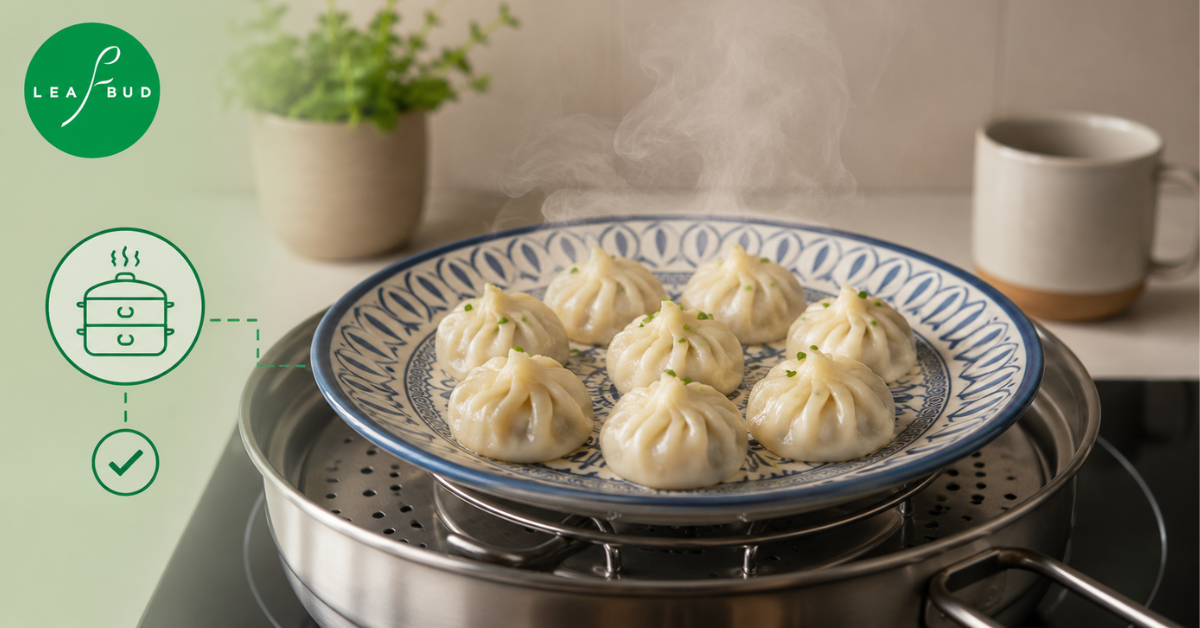
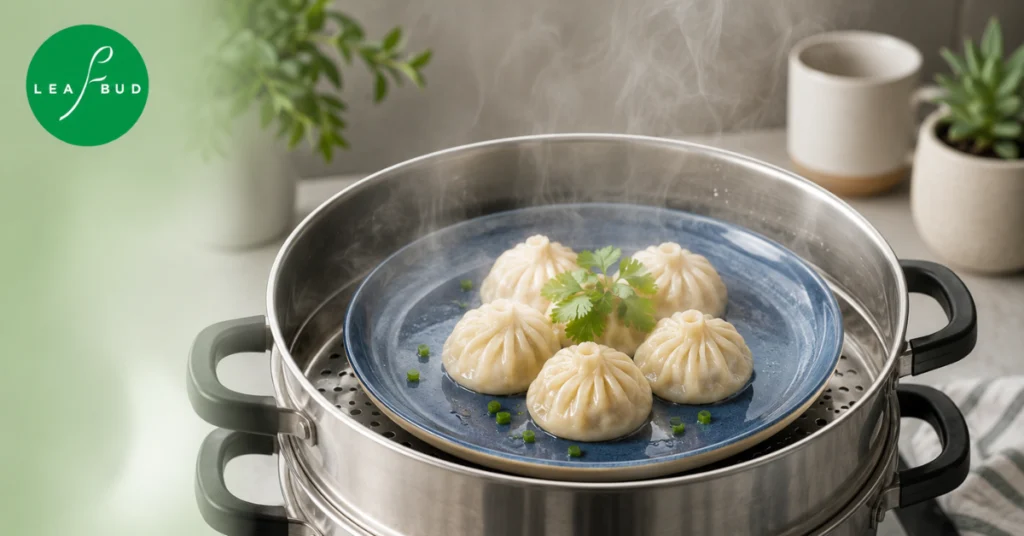
“Steaming is a big part of Indian cuisine. We steam more than we realise. Idlis, dhokla, modak, momos… So it makes sense that if you’re going to reach for a plate to hold batter or dumplings over a pot of boiling water, you want to know if your ceramic plate is up for the job. Let’s get this right.
The Short Answer
Yes, in general, a ceramic plate can be used for steaming, but only if it meets a few conditions. Not all the ceramicware in your cupboard can go in the steamer, and using the wrong type can crack, chip, or ruin your dish halfway through cooking.
Why Ceramic Works Well for Steaming
Ceramic is naturally suited to gentle, moist heat. Most high-fired ceramic ware can be safely used with steam temperatures of about 100°C without damaging the ware and without affecting the natural flavour and texture of the food. That’s why you often see ceramic bowls and plates being used for egg custards, stews, and steamed cakes in many different cuisines, not just Indian.
Because ceramic is dense, well-fired ceramic is much more resistant to repeated steam than thin glass or low-fired pottery. That’s why it’s important for you to be at home. A sturdy ceramic plate on a trivet inside a pressure cooker, kadai, or steamer basket can handle dhokla batter or a stack of momos as well as a metal tray and often prevents the food from acquiring any metallic taste.
What Makes a Ceramic Plate Safe for Steaming
Not all ceramic is made the same, and this is something you have to pay attention to before you use any random plate.
Look for these traits:
- High firing temperature. Stoneware, reinforced porcelain, and bone china are usually fired above 1200°C, and they have strong resistance to thermal shock and can be steamed repeatedly without cracking.
- Flat and level bottom. A flat, stable plate is a safer option for steaming or pressure cooking, as it won’t tip and spill the batter.
- No visible cracks or chips. Steam heat can widen a hairline crack, so it is best to avoid it altogether.
- Glaze, plain or food-safe. Go for regular ceramic glaze and not really metallic or gold-trimmed decoration, as metallic trims are not designed for this sort of repeated heating.
What You Should Avoid
Some types of ceramics are not designed to be steamed and can be dangerous.
- Coarse or low-fired pottery. These are generally low-density and open-porous, so they readily absorb water and can crack or even explode after repeated exposure to steam.
- Old, chipped dinnerware. Heat is a known cause of cracks spreading, which could lead to breakage or worse – tiny pieces of glass in your food.
- Plates with metal rims or heavy decoration. Metal decorations on ceramic pieces are not suitable for microwaving or some electric steamers, as uneven heat conduction could cause peeling or other safety problems.
- Decorative pottery. Some ceramics are decorative or for serving cold foods and are not fired to the same strength as everyday dinnerware. These should not go on the steamer at all.
Know More : ceramics vs pottery
How to Steam Using a Ceramic Plate: Step by Step
If you’ve confirmed that your plate is a good fit, here’s how to steam with it easily at home.
- Select the correct size. Take a plate that fits well inside your kadai, cooker, or steamer basket. Leave enough space on the sides for the steam to flow.
- Put a stand or trivet in the bottom. This keeps the plate above the waterline so it steams as opposed to sitting in boiling water directly.
- Add water to the bottom and boil. Keep the water level below the plate, not in contact with it.
- Put the plate on the trivet and cover with the lid. The tight lid traps the steam and cooks the food evenly.
- Steam over a medium heat, checking the water level from time to time so the pan does not dry out.
- Remove the plate using a cloth or mitt. Because the ceramic holds heat, the plate will remain hot for some time after steaming.
This method is great for dhokla batter, modak, momos, and even steamed vegetables when you want to serve right from the same plate at the table!
A Quick Word on Thermal Shock
One thing to be careful about with ceramic, steaming included, is sudden temperature change. One of the most common ways to crack ceramic dinnerware is by taking a hot plate right out of the steamer and running it under cold tap water. Instead, let the plate cool slowly on the counter. One habit alone can add years to the life of your ceramic pieces.
Steaming Plate vs Everyday Dinnerware
It helps to distinguish between two different uses here. A plate you can cook food on directly. Batter, dumplings, or vegetables. This requires repeated heat cycles and needs to be sturdy, high-fired ceramic. It does not have the same stress as a plate that you just use to serve food that was steamed somewhere else, say, idlis pulled out of a steamer. It can be any good quality dinnerware plate.
So if you’re not sure if a particular piece in your collection is meant for direct steaming, the safest way is to steam it in a trivet-friendly, high-fired plate and then transfer the food to your favourite serving plate for the table. That way your finer or more decorative pieces will look as beautiful as the day you purchased them.
Caring for Ceramic After Steaming
- Let the plate cool down by itself before washing.
- Clean with warm water and mild dish soap – avoiding abrasive scrubbers on glazed surfaces.
- If you can, keep your steaming plates separate from your delicate serving pieces, as daily steaming use will cause more wear and tear over time.
- And also check the product details to see if it is labelled microwave or oven safe before using a plate this way.
At Leafbud, we craft our handmade ceramic plates and bowls with the everyday Indian kitchen in mind, from morning idlis to festival modak. If you want to add a strong, good-quality piece to your collection, then a browse through the Leafbud range of meal plates and bowls is a good place to start. Always check the specific care details for each collection on the Leafbud website before you use a piece for steaming, as finishes can vary across designs.
Frequently Asked Questions
1. Can any ceramic plate be used for steaming momos or dhokla?
Not a plate, no. High-fired ceramics are required – porcelain or stoneware – and they should be plain glazed and not cracked. Do not steam directly on low-fired pottery or plates with metallic rims.
2. Will steaming crack my ceramic plate?
If you have a properly fired ceramic plate, then it should not crack from normal steaming. Cracking is usually the result of existing damage, poor-quality firing, or sudden changes of temperature, such as pouring cold water on a hot plate.
3. Can I use a ceramic plate instead of a metal idli plate?
Yes, if it fits your steamer/cooker and is strong enough for repeated heat. Most home cooks use flat ceramic plates for dhokla and modak with good results.
4. How do I know if my ceramic plate is safe for steaming?
Find a flat, stable base, no cracks, and a plain glaze with no heavy metallic trim. In general, high-density stoneware or porcelain pieces are the safest bets.
5. Should I let a ceramic plate cool before washing it after steaming?
Yes, always let it cool down naturally at first. Placing a hot ceramic plate under cold water can cause thermal shock, which can cause it to crack or break over time.
Shop Ceramic Plates