Chat with us
FREE Leafbud Umbrella on Prepaid Orders Above INR 4,500/-
FREE Leafbud Umbrella on Prepaid Orders Above INR 4,500/-
FREE Leafbud Umbrella on Prepaid Orders Above INR 4,500/-
FREE Leafbud Umbrella on Prepaid Orders Above INR 4,500/-
FREE Leafbud Umbrella on Prepaid Orders Above INR 4,500/-
FREE Leafbud Umbrella on Prepaid Orders Above INR 4,500/-
FREE Leafbud Umbrella on Prepaid Orders Above INR 4,500/-
FREE Leafbud Umbrella on Prepaid Orders Above INR 4,500/-



What Are the Different Types of Serving Platters?

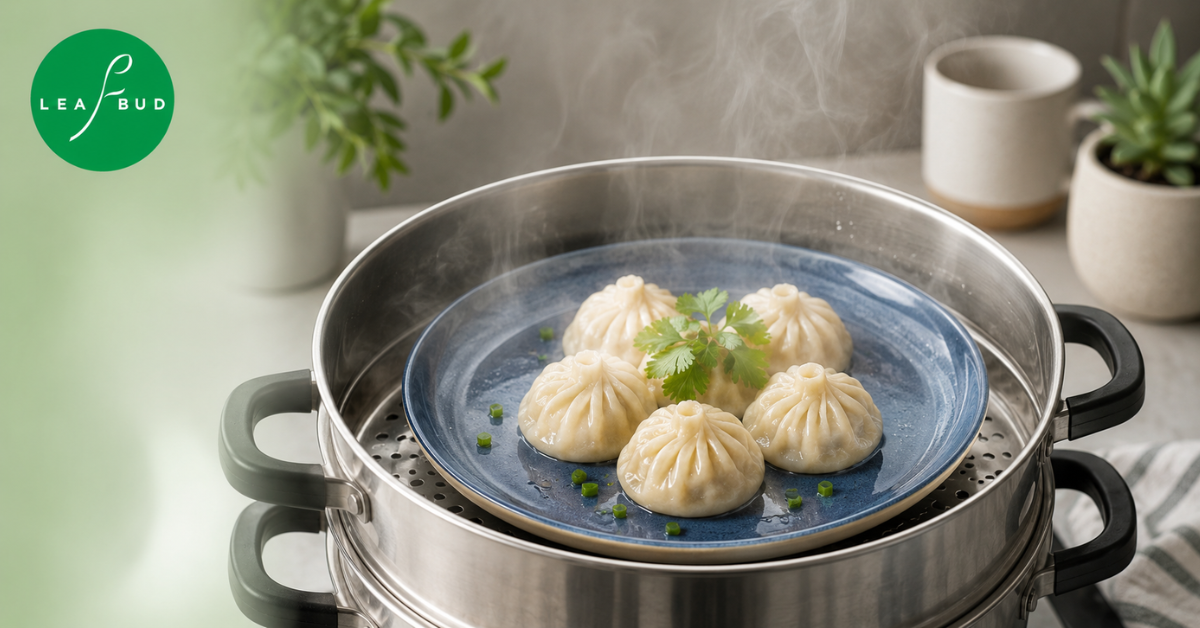
A good platter changes the way food looks on the table. A plate of samosas or a bowl of fruit is just a plate of samosas or a bowl of fruit on any old dish, but put it on the right platter, and it’s suddenly a photograph-worthy something. This guide is for anyone who has ever stood in a store wondering which platter to buy.
But here’s why this matters more than you think. Platters are not just for display. The shape, size, and material determine how well the food stays warm, how easy the platter is to carry, and how well it will fit into your storage space. Let’s go through it by shape, material, and occasion so you can choose with confidence.
Why the Shape and Material of a Platter Matter
Before we get into the types of serving platters, it helps to know what is different between them:
- Shape determines how much food fits and how it looks when arranged.
- The material influences the weight, durability, and the feeling a guest gets when they pick up a piece.
- Size decides if it’s good for a family dinner or a party spread.
- Depth dictates if it can hold curries and gravies or is suitable for dry snacks.
With these basics in mind, the choice becomes much easier.
Different Types of Serving Platters by Shape
Round Platters
For Indian homes, the most popular choice is a round platter. They are perfect for almost any spread, whether mithai on a festival day or a simple arrangement of pakoras. Their shape makes them perfect for round dining tables and centre spreads. They also stack well, so they’re easy to store.
Oval Platters
Oval platters offer more surface area without taking up much space at the table. They are great for longer cuts of meat such as kebabs, grilled veggies, or a whole fish. They also prefer main course dishes to be oval-shaped. The elongated shape is also good with rectangular dining tables.
Rectangular Platters
Rectangular platters work best for more structured spreads, such as a cheese board, a sushi arrangement, or a row of canapés. They give you clean lines to work with, so food styling is easier even if you’re not a trained chef.
Divided or Compartment Platters
These platters have a built-in partition so that different dips, chutneys, or snacks do not mix on the plate. They come in handy for party snacks, chat counters, or a spread where you want guests to pick and choose without one flavour bleeding into another.
Tiered Platters
Tiered or stacked platters utilize vertical space instead of table space. They are popular for high tea setups, dessert tables, and small get-togethers where table space is tight but you still want a generous display.
Handled Platters
Platters with handles make sense when a dish has to travel from the kitchen to the table more than once during a meal. They are often found at buffet-style meals and outdoor gatherings, where guests circulate with their own plates rather than sitting at one table.
Different Types of Serving Platters by Material
Ceramic Platters
Ceramic is a popular choice for serveware because it is non-deforming, stain-resistant, and takes glaze beautifully. Good ceramic platters are fired at high temperatures so that the surface gets smooth and doesn’t absorb the smells of food as much. Food safety regulations also apply to ceramic dinnerware because it is in close contact with food. In the US, the FDA requires that any decorative ceramicware with lead must have a specific warning label if it is not intended for food use (FDA, “Lead in Food and Foodwares”, fda.gov). This is one reason it helps to buy from makers who are transparent about their glazing process, like the handcrafted ceramic serving platters at Leafbud, where each piece is fired and finished by independent artisans rather than mass-produced in a factory.
Wood Platters
Wood platters impart a warmth to a table that ceramic or metal simply cannot duplicate. They work well for bread, cheese, fruits, and dry snacks. They also age beautifully with regular oiling. From a safety perspective, wood is well established for food contact surfaces. The USDA Food Safety and Inspection Service says consumers can use wood or a nonporous surface like plastic, marble, or glass; it just advises washing with hot soapy water after each use and drying it thoroughly (USDA FSIS, “Cutting Boards,” fsis.usda.gov). A wood platter that is kept dry and washed by hand (not in a dishwasher) can last for years.
Metal Platters
Metal platters are a common sight at Indian weddings and large family get-togethers, especially stainless steel and brass. They are good at holding heat, which is handy when serving hot dishes like biryani or curries, and tough enough for everyday kitchen use. Brass platters have a traditional and festive look and are good for pujas and special occasions.
Glass Platters
Glass platters have a clean, modern look and allow the colour of the food to show through. They are especially good for salads, fruits, and desserts where you want the dish itself to be the focus of attention. Glass is also easy to clean but should be handled with care, as it can chip or crack if dropped.
Marble and Stone Platters
Marble platters add a little luxury to any spread. They feel cool, so they’re a good choice for cheese, chocolates, or cold appetisers that benefit from a cool surface. Stone platters are heavier than most, so they’re best suited for stationary displays, not dishes you plan to pass around.
How to Choose a Platter for the Occasion
Easy ways to coordinate your platter with the event.
- Everyday family meals – medium-sized round or oval ceramic platters.
- Festive gatherings – brass or metal platters with some texture or engraving.
- Dinner parties – rectangular platters for cheese, sushi, or appetiser spreads.
- Tea and dessert parties – tiered platters or small ceramic trays
- Outdoor/Casual Gatherings – Wooden platters for an organic, casual look.
If you’re setting a full table, mixing two materials, such as a wood platter for the snacks and a ceramic one for the main course, often looks more interesting than sticking to one type throughout. Colour matters too. Neutral tones of white, beige, and terracotta allow the food to take centre stage, and a platter in a bold glaze can be a stand-alone piece for a small party spread.
Caring for Your Serving Platters
Hand-wash painted ceramic platters to preserve the glaze, and wood-on-wood platters to keep the wood from drying out. Dishwashers can damage items due to heat and strong detergents.
- Store wood platters when they are absolutely dry, or they will warp.
- Do not expose glass and marble platters to sudden temperature changes, as they may crack.
- Stand plates upright or use soft dividers between them to prevent chipping.
Check ceramic glazes regularly for cracks. Cracked glaze can have an impact on the safety of the surface to contain food.
A Final Word
There is no best platter. The right pick depends on what you are serving, how many guests you are having, and the mood you want your table to set. Once you know the different types of serving platters and what each one does well, it’s much easier to build a collection that works for every occasion. If you’re looking for pieces that appear handcrafted and not mass-produced, start with brands like Leafbud, which collaborates with independent Indian artisans to design handcrafted ceramic and wood serveware. Whether you choose a simple round ceramic one for everyday use or a marble one for special evenings, the goal is the same: to make the food look as good as it tastes.
FAQs
What is the most versatile type of serving platter?
The most versatile are usually the round ceramic platters. They’re perfect for everyday meals and holiday spreads, fit most dining tables, and are easy to clean and store, making them a solid first choice for any kitchen.
Are wood platters safe for wet or gravy-based food?
For dry items like bread, cheese, and fruits, wood platters work best. Over time, the wood can absorb gravy or liquid-heavy dishes, so it’s better to use ceramic, metal, or glass platters for those.
How many serving platters does a household actually need?
Most households require only three or four platters: a round one, an oval or rectangular one, and a smaller one for snacks or starters. You can add more depending on how often you host guests.
Is ceramic serveware safe for daily use?
Yes, if it is properly glazed and fired. The best way to select ceramic serveware for everyday meals is to buy from makers that use proper firing standards and are transparent about their glazing process.
Can one platter work for both hot and cold dishes?
Glass does not cope with temperature changes as well as metal and stone platters. If you want one platter for hot curries and cold salads on different days, then a good metal or ceramic platter is usually the safer bet.
Shop Ceramic Plates